Emergency Dentist Bakersfield CA: Dealing With Dental Trauma Fast
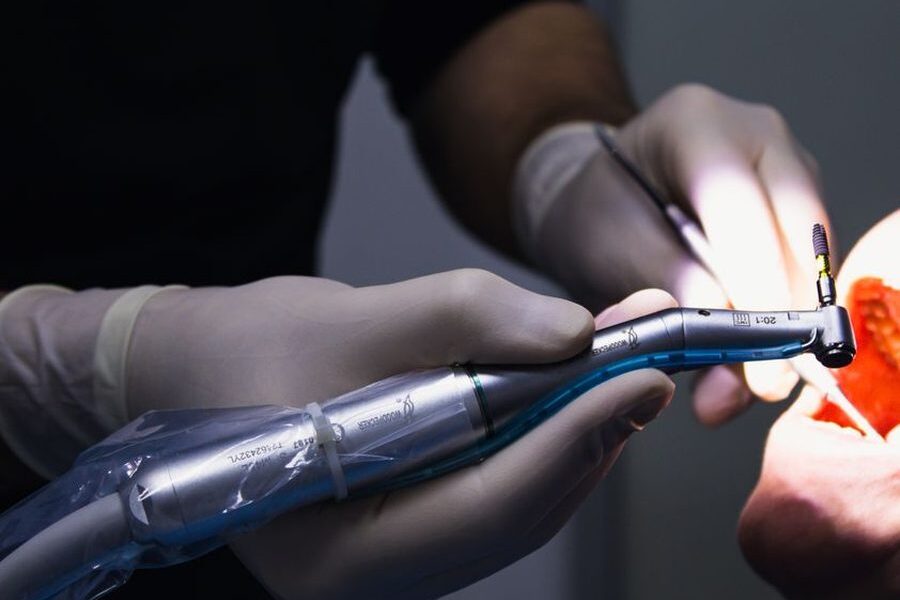
Dental injuries have a way of turning an ordinary day into a scramble. A slip on concrete, a baseball to the mouth, an elbow during a pickup game, a broken filling that suddenly becomes a deep crack while eating lunch, any one of these can set off pain, bleeding, swelling, and a lot of uncertainty. In those first minutes, people usually want the same answer: how fast do I need help, and what should I do right now?
If you are looking for an Emergency Dentist Bakersfield CA patients can turn to, speed matters, but so does judgment. Not every dental problem belongs in an emergency room, and not every chipped tooth can wait until next week. The right response depends on the kind of injury, how much pain is involved, whether a tooth can be saved, and whether there may be damage beyond the teeth themselves.
Dental trauma is one of those situations where a calm, practical plan makes a real difference. Teeth, gums, bone, nerves, and restorations all respond differently to impact. Some injuries look minor and turn out to be serious. Others look dramatic, especially when there is blood, but can often be managed well if treated promptly and correctly.
Why the first hour matters
A knocked-out permanent tooth is the clearest example. Time outside the mouth affects the survival of the living cells on the root surface. The longer the tooth stays dry, the harder it becomes to save and stabilize. Even with excellent treatment, delays work against you.
Cracked teeth follow a different pattern. A fracture may begin as sharp pain when biting and quickly progress to constant throbbing if the nerve becomes inflamed or exposed. Soft tissue injuries, including cuts to the lips, cheeks, or gums, can bleed heavily because the mouth has such a rich blood supply. Facial swelling can build over hours. A broken crown or filling may seem manageable until the jagged edge starts cutting the tongue or the exposed tooth becomes sensitive to air and temperature.
That is why experienced emergency dental care focuses on triage first. The goal is not simply to stop pain. It is to determine what structures are injured, reduce the chance of permanent damage, and decide whether the issue belongs in a dental chair, an oral surgery setting, or a hospital.
What counts as a true dental emergency
People often hesitate because they are unsure whether their situation is serious enough. In practice, a dental emergency usually means one of three things is happening: severe pain, uncontrolled bleeding, or trauma that may affect the long-term health of a tooth or surrounding structures.
A tooth that has been knocked out, pushed loose, moved out of position, or fractured deeply is urgent. So is swelling that is spreading, especially if it begins to affect swallowing, speaking, or normal breathing. Trauma that involves the jaw, face, or a suspected concussion changes the picture and may call for medical evaluation before dental treatment.
There is another category that deserves respect even when it looks less dramatic. Dental pain that wakes someone from sleep, sensitivity that becomes sudden and sharp after a break, or a crown that comes off and reveals a dark, painful tooth can move from inconvenient to urgent quickly. Waiting through a weekend with an open tooth is rarely a good plan.
The first steps at home or on the field
The best immediate response is simple, controlled, and fast. Panic leads people to scrub a knocked-out tooth, put aspirin directly on the gum, or ignore a jaw injury because the bleeding seems to be from a lip. A better approach protects the tissue and buys valuable time until professional care is available.
- Control bleeding with clean gauze or a soft cloth, using steady pressure for several minutes.
- If a permanent tooth is knocked out, hold it by the crown, not the root, and gently rinse it if visibly dirty without scrubbing.
- If possible, place the tooth back in the socket carefully, or keep it in milk or a tooth preservation solution until you reach the dentist.
- Use a cold compress on the outside of the face to limit swelling and reduce discomfort.
- Call an emergency dental office immediately and describe exactly what happened, when it happened, and whether the tooth is permanent or baby.
That short window after injury is not the time for home remedies or internet experiments. Even a well-meaning step can reduce the odds of saving the tooth.
Knocked-out teeth, the injury everyone fears
When a permanent tooth is completely avulsed, meaning fully knocked out, the next 30 to 60 minutes are especially important. That does not mean a tooth is automatically lost after an hour, but it does mean the conditions become less favorable. The tooth should be handled as little as possible. The root surface is delicate, and rough cleaning removes cells the dentist would like to preserve.
A surprisingly common mistake is wrapping the tooth in tissue or letting it dry out in a pocket or cup holder. Dry storage is one of the worst options. Milk is better because it is gentle on the root cells and easy to find in many households, schools, and stores. Saline is also acceptable. If the person is alert and old enough to manage it safely, holding the tooth inside the cheek can work, but only when there is no risk of swallowing it. For children, that usually makes parents and dentists nervous for good reason, so milk is often the safer choice.
Baby teeth are different. A knocked-out baby tooth is generally not replanted because doing so can harm the developing permanent tooth underneath. That is one reason the call to the dentist should include the age of the injured person and whether the lost tooth is a primary or permanent tooth.
When the patient arrives, the emergency dentist examines the socket, confirms the tooth type, evaluates contamination, and checks for other injuries. X-rays often help identify root fractures, tooth fragments lodged in soft tissue, or damage to the surrounding bone. If replantation is appropriate, the tooth may be repositioned and splinted to neighboring teeth. The follow-up matters just as much as the emergency visit, because the pulp and supporting tissues need monitoring over time.
Chipped, cracked, and broken teeth are not all the same
People use the word “broken” for many different injuries, and treatment depends on the depth and direction of the fracture. A small chip in enamel may be mostly cosmetic. It can feel sharp, but if the nerve is protected and the tooth is stable, repair may be straightforward. Bonding, smoothing, or a more durable restoration can often solve the problem.
A deeper fracture creates a different problem. If dentin is exposed, the tooth may become very sensitive to cold air, water, or sweets. If the pulp is exposed, pain can be intense and unpredictable. Bleeding from the center of the tooth is a bad sign. https://pastelink.net/67nkvzka Teeth can also crack vertically from a hard bite or preexisting weakness. Some cracked teeth only hurt when pressure is released, not when pressure is applied. That pattern often points to a fracture line that flexes under load.
Back teeth with large old fillings are common culprits. A patient bites into a hard seed, nut, or popcorn kernel, feels a sharp snap, and suddenly cannot chew on that side. Sometimes the cusp breaks off cleanly. Sometimes the crack extends below the gum line, which makes the tooth much harder to save. The treatment may range from a bonded restoration to a crown, root canal treatment, or extraction depending on how far the fracture runs.
Soft tissue cuts can complicate matters. A fractured front tooth may leave an edge sharp enough to lacerate the lip with every movement. That can make a moderate tooth injury feel like a full-blown emergency, and honestly, if the patient cannot speak or close the mouth comfortably, it is.
Teeth that are loose or pushed out of place
A tooth does not have to come out entirely to be in danger. Trauma can loosen a tooth, intrude it upward into the socket, or displace it inward or outward. These injuries often involve the ligament and bone supporting the tooth. The patient may say the bite “feels off,” which is an important clue.
Repositioning is time-sensitive. A tooth that is noticeably out of line should not be ignored overnight just because it is still attached. In the right hands, prompt adjustment and stabilization can preserve both function and appearance. Delay allows swelling, clotting, and tissue changes that make ideal repositioning more difficult.
Children present special challenges because their mouths contain a mix of baby and permanent teeth. The roots of developing permanent teeth are not the same as fully mature adult roots, and treatment decisions can differ. This is where experienced emergency judgment matters more than any generic advice sheet.
When a toothache becomes an emergency after trauma
Not every dental injury is obvious at the moment it happens. Sometimes someone takes a blow to the face, feels shaken, and assumes everything is fine because no tooth is missing. Then six hours later the jaw feels sore, one front tooth darkens, or a throbbing ache starts deep in the bone. Delayed symptoms are real.
A tooth can suffer internal damage without a visible crack. Blood flow to the pulp may be compromised. The ligament can bruise, making the tooth tender to biting. A root can fracture where no one can see it. This is why post-trauma evaluation matters even when the mirror does not show much.
Many adults learn this the hard way after what seemed like a minor fall. They skip the visit because the pain is manageable, then show up weeks later with discoloration or an abscess. At that point, the goal shifts from preventing injury-related complications to treating them.
Emergency room or emergency dentist?
This question comes up every day, and the answer is not always obvious in the moment. A dental office is usually the best place for isolated tooth injuries, broken restorations, oral pain, and many forms of localized swelling. Dentists have the imaging, materials, and practical focus to diagnose tooth trauma accurately and treat it on the spot.
A hospital emergency room is more appropriate when the injury involves the broader face or the person’s general health and safety. That includes possible jaw fracture, head injury, loss of consciousness, difficulty breathing, significant facial lacerations, or swelling that is spreading into the neck or interfering with swallowing.
Here is a practical rule set that tends to serve people well:
- Go to the emergency room first if there is trouble breathing, trouble swallowing, a major facial injury, or concern about concussion or broken jaw.
- Contact an emergency dentist first for knocked-out, loose, broken, or displaced teeth, severe tooth pain, or a damaged crown, bridge, or filling causing acute symptoms.
- If there is heavy bleeding that does not slow with pressure, treat it as a medical emergency.
- If a child is involved and you cannot tell whether the lost tooth is baby or permanent, call a dentist right away for guidance while preparing to travel.
- If you are unsure, call both, then follow the advice of the provider who can safely see the patient fastest.
In Bakersfield, where schedules can be crowded and accidents do not respect office hours, a good emergency dental office should help triage by phone. That initial conversation can save time and direct the patient to the right setting.
What an emergency dental visit usually looks like
The first appointment is about problem-solving, not perfection. Many patients imagine they will walk in and leave with everything fully restored in one sitting. Sometimes that happens. Often, the real goal is to stabilize the injury, control pain, protect the tooth, and make a sound plan for the next phase.
Expect questions about when the injury happened, whether there was any loss of consciousness, what the patient was eating or doing at the time, and whether the bite feels different. Photos from a phone can occasionally help, especially if swelling or displacement changed between the moment of injury and arrival at the office.
The dentist will check the teeth, gums, lips, and bite, and will usually take X-rays. Cold testing, percussion testing, mobility testing, and soft tissue evaluation help sort out what is bruised, fractured, displaced, or infected. In some cases, the visible injury is only half the story. A tooth fragment may be embedded in the lip after a fall. A root may be fractured below the gum line. A tooth that looks intact may test poorly because the nerve was damaged by the impact.
Treatment may involve smoothing a sharp edge, bonding a chip, recementing a crown, splinting a loose tooth, repositioning a displaced tooth, draining a localized infection, prescribing medications when indicated, or planning referral for endodontic or surgical care. Good emergency care is often staged care.
Pain control, antibiotics, and realistic expectations
Patients understandably want pain to stop quickly. The fastest route depends on the cause. If pain comes from exposed dentin or pulp, covering the area or removing inflamed tissue may provide far more relief than any pill. If pain is driven by pressure from infection, drainage can matter more than medication. If trauma has inflamed the ligament, the bite may need adjustment because every contact during chewing is aggravating the injury.
Antibiotics have a place, but they are not a cure-all. They are not routinely needed for every cracked tooth or every toothache. Overprescribing creates problems of its own. When there is spreading infection, fever, certain avulsion injuries, or specific surgical concerns, they may be appropriate. Pain medication also needs context. Some patients do well with over-the-counter combinations used properly, while others need a more tailored plan based on age, medical history, bleeding risk, stomach issues, or other medications.
It helps when patients know that a numb, pain-free feeling after emergency treatment does not always mean the problem is resolved for good. Traumatized teeth can change over weeks or months. Follow-up checks matter, especially for front teeth that have absorbed a blow. A tooth may survive beautifully, or it may later need root canal treatment if the pulp fails.
Bakersfield realities that shape dental emergencies
Any community develops its own pattern of urgent dental visits. In Bakersfield, dentists often see a mix of sports injuries, falls, work-related accidents, broken restorations, and untreated problems that flare up after hours. Children arrive after school sports and playground mishaps. Adults show up after biting on something hard, dealing with a neglected cracked tooth, or taking an impact at work.
Heat can complicate any emergency simply because discomfort, dehydration, and long waits in a car make everything harder. That sounds like a small point until you have seen a child with a swollen lip and a loose front tooth sitting exhausted in the back seat while the family tries to figure out where to go. Preparation helps. If you call an Emergency Dentist Bakersfield CA office before leaving, you are more likely to get clear instructions, avoid unnecessary stops, and bring what matters, such as the tooth fragment or the avulsed tooth stored properly.
Timing also matters around weekends and holidays. A Friday afternoon fracture that exposes the nerve can become a miserable weekend if no one acts quickly. People sometimes hope the pain will “settle down.” Deep dental pain rarely rewards that gamble.
Children need a slightly different response
Parents often feel extra panic when a child is involved, partly because the amount of blood can look alarming and partly because it is not always obvious whether the injured tooth is a baby tooth or a permanent one. Front permanent teeth usually start erupting around age six, but every child varies. If a child knocks out a front tooth during elementary school years, do not assume it is a baby tooth.
Soft tissue swelling can also hide dental displacement. A child may not be able to explain whether the bite feels off or whether the tooth is numb. Behavior becomes part of the diagnosis. Refusing to bite, drooling because lip closure hurts, or saying “it feels weird” can be more informative than a long description.
There is also an emotional side to pediatric trauma that adults sometimes underestimate. If a front tooth chips or shifts position, the child may be more distressed by the appearance than the pain. Gentle, confident handling from the dental team helps a lot. So does honest communication with parents about what can be repaired immediately and what needs monitoring.
What to look for in an emergency dental office
A strong emergency dental practice is not just one that answers the phone. It is one that knows how to sort true urgency from routine discomfort, gives clear instructions before arrival, and is equipped to diagnose trauma thoroughly. That usually means same-day availability for urgent cases, dental imaging on site, experience with splinting and acute restorative care, and a referral network for oral surgery or endodontics when needed.
Communication matters more than people think. A patient in pain is not processing complex instructions well. Offices that explain things plainly, tell patients what to expect, and distinguish between immediate treatment and long-term repair tend to get better outcomes because patients actually follow the plan.
If you are choosing a provider before an emergency happens, it is worth asking how the office handles after-hours trauma, whether they see children, and what kinds of urgent cases they manage in-house. The middle of an injury is the worst time to start researching.
Preventing the next emergency
No one can prevent every accident, but many dental emergencies are at least partly preventable. A custom or well-fitted mouthguard for contact sports is one of the best examples. It is not glamorous, but it works. Nightguards matter too for adults who grind heavily, especially those with large restorations or a history of cracked teeth. Plenty of “sudden” fractures were years in the making.
Routine care also lowers the odds of a crisis. Teeth with old leaking fillings, untreated decay, or neglected cracks are much more likely to fail at inconvenient moments. The hard tortilla chip or olive pit gets blamed, but often it was simply the final stress on a weakened structure.
Even small habits count. Do not use teeth to open packaging. Be careful with ice chewing. If a crown feels loose, do not wait for it to come off during dinner. If one side of the mouth has become your “safe side” because the other side hurts to chew on, that is already a warning sign.
Fast, well-judged treatment can save teeth, reduce pain, and prevent a messy problem from becoming a permanent one. Dental trauma feels chaotic when it happens, but the response does not have to be. The key is knowing which injuries are urgent, protecting the area properly, and getting prompt care from an emergency dental team that treats trauma like the time-sensitive problem it is. For anyone searching for an Emergency Dentist Bakersfield CA residents can rely on, that combination of speed, skill, and practical judgment is what makes the real difference.
Smyle Dental Bakersfield
2016 E St, Bakersfield, CA 93301, United States
+16614939040
FAQ About Emergency Dentist Bakersfield CA
What counts as a dental emergency?
Severe tooth pain, facial swelling, uncontrolled bleeding, a knocked-out or displaced tooth, and significant dental trauma may need prompt assessment. Trouble breathing or rapidly increasing swelling requires urgent medical help.
What should I do if a permanent tooth is knocked out?
Handle the tooth by the crown rather than the root, keep it moist, and contact a dentist immediately. Fast treatment can improve the chance of saving the tooth.
Can an emergency dentist treat severe tooth pain the same day?
Same-day care may be available depending on the cause and schedule. The dentist will examine the area, may take digital X-rays, and recommend treatment based on the diagnosis.
Should I go to the emergency room for dental swelling?
Seek urgent medical care for trouble breathing, difficulty swallowing, rapidly spreading facial swelling, or other severe symptoms. A dentist can assess the underlying dental cause and provide appropriate follow-up care.