How a General Dentist in Santa Clarita CA Helps Keep Smiles Healthy and Bright


A healthy smile rarely comes down to one dramatic fix. More often, it reflects years of small, steady choices, regular checkups, early treatment, and a dentist who understands how oral health changes over time. That is where a general dentist becomes central, not just when a tooth hurts, but long before problems become urgent.
For families and individuals in the area, working with a General dentist Santa Clarita CA often means having a consistent point of care for routine cleanings, cavity detection, gum health, restorative treatment, and practical guidance that fits real life. The value is not limited to maintaining white teeth or fresh breath. Good general dentistry helps protect comfort, confidence, speech, chewing function, and long-term health.
People sometimes think of dental visits in narrow terms. They imagine a cleaning, a reminder to floss more often, and perhaps an X-ray every so often. In practice, general dentistry is much broader. A well-run dental office watches for subtle wear patterns, early decay, gum inflammation, bite imbalance, old fillings that are beginning to fail, and habits like grinding that can quietly damage teeth for years before the patient notices anything wrong.
The everyday role of a general dentist
General dentistry is often the front line of oral healthcare. It covers preventive services, diagnosis, treatment planning, and many of the most common procedures patients need throughout life. The work can look routine from the outside, but that routine is exactly what keeps https://israelixdd895.novacrestiq.com/posts/choosing-the-right-general-dentist-in-santa-clarita-ca-for-your-family small concerns from turning into larger ones.
Consider a common scenario. A patient comes in with no pain and assumes everything is fine. During the exam, the dentist sees a small cavity starting between two teeth. It is not visible in the mirror at home, and the patient would likely not feel it for months. At that stage, treatment is usually straightforward. If it goes undetected, decay can spread deeper into the tooth, eventually reaching the nerve. A simple filling can become a root canal and crown. That is the practical value of regular oversight.
In Santa Clarita, where many households juggle work, school schedules, commutes, sports, and family obligations, preventive care matters because convenience matters. When care is delayed, treatment rarely becomes easier, faster, or less expensive. A general dentist helps patients stay ahead of that cycle.
Prevention is less glamorous, and far more important
Most lasting dental health is built through prevention. Cleanings and exams are the obvious parts, but prevention is also about risk assessment. Not every patient has the same needs. One person may be prone to cavities because of dry mouth from medication. Another may have strong teeth but persistent gum inflammation because they rush through brushing at night. A teenager with braces has different challenges than a retiree with older crowns and receding gums.
A good dentist does not give every patient the same script. Instead, the advice changes with age, habits, and health history.
That individualized approach becomes especially important because many oral health issues develop quietly. Gum disease, for example, often starts with mild bleeding and tenderness. Patients frequently dismiss it. They assume brushing too hard caused the problem, or they stop flossing because the bleeding worries them. In reality, early gum disease can often improve significantly with professional cleaning, better home care, and close follow-up. Left untreated, it can progress into deeper periodontal problems that threaten the support structure of the teeth.
The same pattern appears with enamel wear. A patient may not notice that morning coffee, acidic drinks, nighttime grinding, and occasional clenching during stressful workdays are combining to flatten teeth and increase sensitivity. A general dentist sees the pattern and can intervene before the damage becomes severe.
What happens during a routine visit, beyond the obvious
Patients usually know that a checkup includes cleaning and an exam, but much more is happening in that appointment than many realize. A careful general dentist is paying attention to multiple layers of health at once.
- Teeth are checked for decay, cracks, worn edges, failing fillings, and signs of bite stress.
- Gums are evaluated for inflammation, pocketing, recession, and plaque or tartar buildup below the gumline.
- Soft tissues, including the tongue, cheeks, and roof of the mouth, are observed for abnormalities that may need monitoring or referral.
- Bite alignment and jaw function are reviewed when symptoms suggest grinding, clenching, or uneven contact.
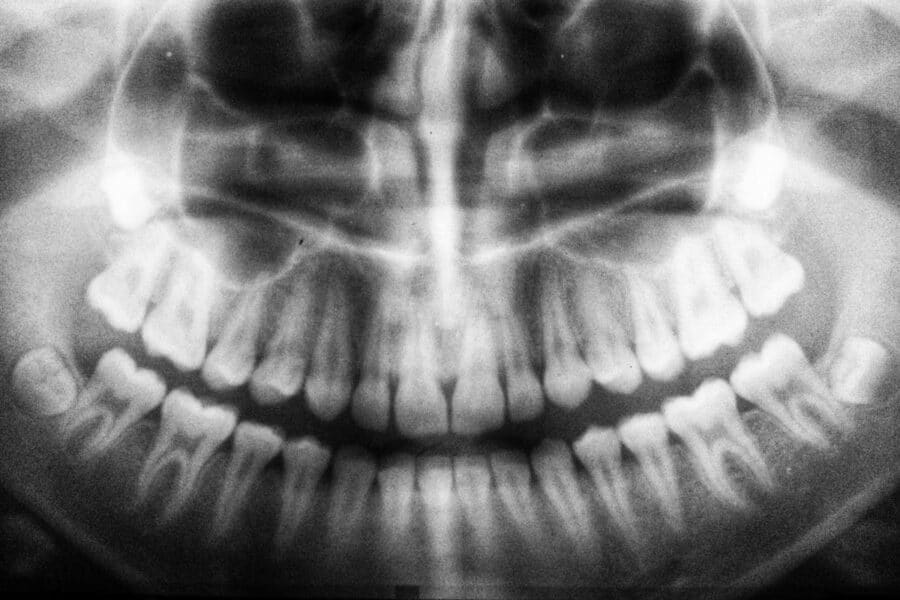
- X-rays, when appropriate, help reveal problems hidden between teeth or below the surface.
None of this is dramatic, and that is exactly the point. Dentistry works best when attention to detail catches trouble early.
I have seen many patients feel relieved after learning that sensitivity was caused by a worn filling, not a severe problem. I have also seen the opposite, where someone who felt perfectly fine was surprised to discover an infection under an old crown. Symptoms are useful, but they are not a complete measure of dental health. Teeth can deteriorate silently for a long time.
Keeping smiles bright is not only about whitening
When people hear the phrase "healthy and bright," they often focus on appearance first. Brightness matters. A clean, polished smile can change how someone feels in conversations, photos, or professional settings. But healthy brightness is not the same as simply making teeth whiter.
A smile looks best when the gums are calm and even, the teeth are clean, restorations match naturally, and the surfaces are free of heavy stain and plaque. In many cases, a patient who thinks they need cosmetic work first benefits most from a thorough cleaning and a few conservative repairs. Removing tartar, polishing surface stains, replacing a worn bonding edge, or smoothing a chipped tooth can make a visible difference without major intervention.
Whitening also needs judgment. It is useful for many patients, but not every stain responds the same way. Surface stain from coffee, tea, red wine, or tobacco may improve well. Gray discoloration from trauma, internal staining, or old dental materials can be more difficult. Existing crowns and fillings do not whiten like natural enamel, so a dentist has to think ahead about color matching. An experienced general dentist helps patients avoid disappointment by explaining what whitening can and cannot do before treatment begins.
Restorative care that protects both function and appearance
Even patients with strong habits sometimes need restorative treatment. Fillings, crowns, bonding, and replacement of older dental work remain a major part of general practice. The best restorative care is rarely about doing the most treatment. It is about choosing the least invasive solution that will hold up well.
A small cavity may only need a filling. A tooth with a large fracture line may need a crown to protect it from splitting further. A chipped front tooth may be repaired beautifully with bonding if the bite allows it. In another case, bonding would fail repeatedly unless the underlying grinding habit is addressed. Clinical judgment matters because the same repair can perform very differently depending on the forces on the tooth.
Patients appreciate honest discussions about trade-offs. A crown is stronger than a large filling in many situations, but it also requires more reshaping of the tooth. A white filling may be ideal in one area, while another tooth is so heavily loaded during chewing that a different material or design makes more sense. Good general dentistry respects both durability and aesthetics instead of pretending every option is equal.
That practical mindset is one reason many people prefer to build a long-term relationship with one dental office. Over time, the dentist sees how older work is aging, which materials have lasted best in that patient's mouth, and where recurring trouble tends to show up.
The link between oral health and overall wellbeing
Dentistry does not exist in a separate compartment from the rest of the body. A general dentist often notices signs that connect to broader health patterns, and those observations can be important.
Dry mouth is a good example. It may sound like a minor annoyance, but reduced saliva raises cavity risk, affects comfort, and can make eating and speaking less pleasant. Often it is linked to medications, certain medical conditions, mouth breathing, or dehydration. A dentist may be the first clinician to recognize how significantly it is affecting oral health.
Inflamed gums can also reflect more than brushing habits alone. Diabetes, hormonal changes, tobacco use, chronic stress, and some medications can all influence gum health. That does not mean a dental exam replaces medical care, but it does mean a thorough dentist pays attention to the patient as a whole person.
Another overlooked issue is sleep-related grinding or clenching. Many adults assume jaw tightness, morning headaches, or fractured fillings are just part of stress. They are common, but they are not harmless. General dentists often identify wear patterns that suggest parafunctional habits and can recommend a night guard or further evaluation when appropriate. Protecting teeth from repeated pressure may prevent years of cumulative damage.
Children, teens, adults, and older patients all need different guidance
One strength of general dentistry is continuity across life stages. The advice given to a seven-year-old learning to brush effectively is not the same advice given to a college student living on sports drinks and irregular meals. A parent in their forties may need discussion about gum recession and old fillings, while an older adult may need help managing dry mouth, root surface sensitivity, or dental care around bridges and implants.
Children benefit from visits that build comfort early. Fear often grows from unfamiliarity, not just pain. When young patients learn that the dental office is a predictable, calm place, routine care becomes easier for years to come. Dentists who work well with children know that pacing matters. So does language. A simple explanation and a little patience can shape a child's attitude toward dental care more than parents realize.
Teenagers and young adults often need practical honesty. This is the age when orthodontic retainers are ignored, sugary drinks increase, schedules become chaotic, and wisdom teeth may enter the conversation. Moralizing rarely works. Specific coaching does. If a patient is not going to stop drinking iced coffee, discussing rinsing with water afterward and limiting prolonged sipping may be more effective than demanding perfection.
Older adults may face more complex treatment decisions. Teeth with decades of restorations can require a balance between preservation, comfort, cost, and long-term maintainability. In these cases, a good general dentist does not push an idealized treatment plan disconnected from the patient's real priorities. Instead, care is tailored to health status, goals, and budget.
When local care makes a difference
There is practical value in seeing a dentist close to home or work. Convenience is not trivial. Patients are far more likely to keep regular appointments when the office fits naturally into their routine. For families in a growing community like Santa Clarita, proximity can make the difference between preventive care that happens on time and care that is delayed for months.
Working with a General dentist Santa Clarita CA also tends to support continuity. Local practices often care for multiple generations within the same family. That familiarity allows the office to understand patient history, patterns of concern, scheduling preferences, and even how different family members respond to treatment. It creates a more stable experience, especially for patients who are anxious or who require periodic follow-up.
There is also something to be said for seeing the same team over the years. Dental care works better when records, images, previous restorations, and clinical observations stay connected. A crown that looked fine two years ago but now shows a subtle margin change tells a story. So does gum recession that has slowly advanced over several visits. Trends matter, and they are easier to spot with continuity.
What patients can do between visits
A general dentist does a great deal, but the daily work happens at home. The basics remain powerful because they are effective when done consistently. Technique matters more than intensity. Brushing harder does not clean better. It usually just irritates the gums and wears surfaces faster.
For most adults, the key habits are simple:
- Brush thoroughly twice a day with a soft-bristled toothbrush and fluoride toothpaste.
- Clean between teeth daily with floss or another tool that actually fits your mouth and that you will use consistently.
- Limit frequent sipping of sugary or acidic drinks, which exposes teeth to repeated attacks.
- Wear a night guard if grinding has been diagnosed and the appliance has been prescribed.
- Keep regular dental visits even when nothing hurts.
That last point deserves emphasis. Pain is a late signal in dentistry. Many significant problems begin quietly and stay quiet until treatment becomes more involved.
Choosing a dentist who fits your needs
Not every dental office approaches care in the same way. Skill matters, of course, but communication matters just as much. Patients do best when they understand what is being recommended, why it matters now, what can wait, and what the alternatives are.
A strong general dentist explains findings clearly without using fear as leverage. They distinguish between urgent treatment and elective improvement. They are willing to monitor a small area when monitoring is appropriate, and they are also willing to recommend timely intervention when delay would likely worsen the outcome. That balance is a sign of maturity in practice.
It also helps when the office is organized. Good scheduling, transparent financial discussions, clear follow-up instructions, and a calm clinical environment all shape the patient experience. These details are not secondary. They influence whether people return regularly, and regular care is what protects smiles over time.
For nervous patients, the right dentist can change the entire arc of care. I have seen patients who avoided appointments for years begin to recover their oral health simply because they finally felt heard, not judged. Once trust is established, treatment becomes more manageable. Small wins accumulate. Cleanings become routine, repairs happen sooner, and the cycle of avoidance starts to break.
Healthy smiles are built over years, not one appointment
There is no single visit that guarantees a bright, healthy smile forever. Dentistry is cumulative. Plaque builds or it does not. A cracked filling is monitored or ignored. Gum inflammation is treated early or allowed to progress. Nighttime grinding is identified or allowed to flatten teeth year after year.
That is why the role of a general dentist is so steady and so important. The dentist is not only there to fix what is broken. They help patients maintain what is working, preserve what can still be saved, and make thoughtful decisions before problems become larger than they need to be.
For anyone seeking long-term oral health, the right General dentist Santa Clarita CA offers far more than occasional cleanings. They provide continuity, prevention, restorative judgment, and practical guidance tailored to real lives. That combination is what keeps smiles healthy, comfortable, and bright, not just for the next photo, but for the years ahead.
Smyle Dental Newhall
Address: 23754 Newhall Ave, Santa Clarita, CA 91321
Phone number: +16612559200
FAQ About General dentist Santa Clarita CA
What does it mean by general dentist?
A general dentist is your primary dental care provider. They focus on the overall prevention, diagnosis, and treatment of your daily oral health needs. Think of them as your primary care doctor, but for your teeth and gums.
What is the difference between a dentist and a general dentist?
A dentist is a broad professional title for any licensed oral healthcare provider, while a general dentist is a specific type of primary care dentist who focuses on routine, preventive, and everyday treatments.
What is the difference between a dentistry practitioner and a dentist?
A dentist is a licensed doctoral-level healthcare professional, whereas a dental practitioner is a broader umbrella term that can include dentists as well as other trained oral health professionals.